
No photo available yet
Agilent Technologies GCxGC-based analyzers, aviation turbine fuels
Agilent Technologies GCxGC-based analyzers, aviation turbine fuels — Gas chromatography.
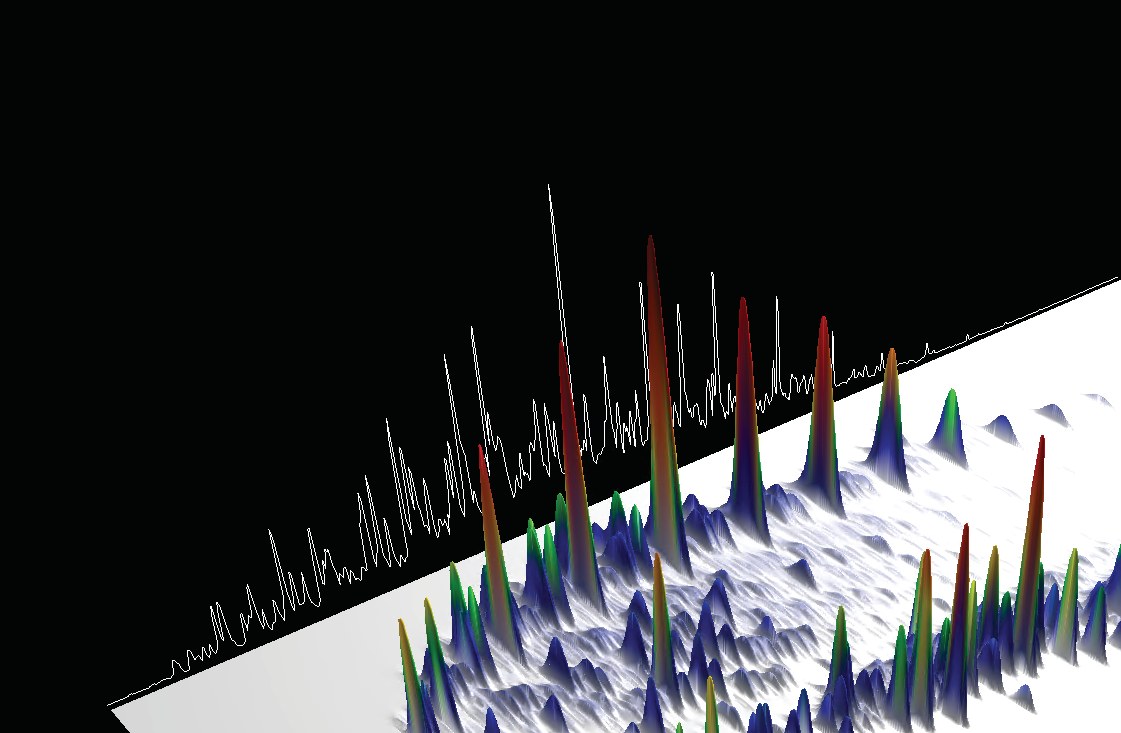
Flow-modulated GC×GC-FID analyzer built on the Agilent 8890 platform with a Reverse Flow Modulator, configured for group-type analysis of conventional and synthetic aviation turbine fuels per ASTM D8396 and NB/SH/T 6078-2023. It runs hydrogen carrier gas with a 7693 sampler, split/splitless inlet at 300 °C, dual-column flow modulation and FID detection at 300 °C over a 63.33 min runtime. It is the jet-fuel-specific member of the energy/chemical GC analyzer family, distinct from the biodiesel, RGA, gasoline/benzene and LPG siblings.
Agilent Technologies Energy Chemical GC Analyzers Series — Model Comparison & Selection
| Model | Typical quantitation limit, mol% | Carrier gas | Analysis time, min |
|---|---|---|---|
| GCxGC-based analyzers, aviation turbine fuels Current | — | Hydrogen | — |
| Analyzers for biodiesel, biofuels | 0.01 | — | — |
| Gasoline analyzer, benzene analysis | 0.01 | — | — |
| natural gas analyzer, fast analysis times | 0.01 | — | 20 |
| NGA Analyzer, natural gas analysis | 0.01 | — | 20 |
| Refinery gas analyzer, four channel multi-dimensional system | — | Argon | — |
Full specifications
| Acquisition Rate | 200 Hz |
| Air flow | 350 mL/min |
| Carrier gas | Hydrogen |
| Column 1 Flow | 0.3 mL/min |
| Column 2 Flow | 15 mL/min |
| Hydrogen Flow | 35 mL/min |
| Monitor Column Flow Rate | 0.63 mL/min |
| Primary Column Flow Rate | 0.5 mL/min |
| Restrictor Column Flow | 0.36 mL/min |
| Sample volume | 0.1 µL |
| Secondary Column Flow Rate | 25 mL/min |
| Septum Purge | 6 mL/min |
| Sampler mfr | 7693 Sampler |
| Detector mfr | FID FID |
| Runtime mfr | 63.33 min |
| Initial Oven Temperature | 40 °C |
| Inlet Temperature | 300 °C |
Description
Construction and positioning in the series
- This is a GC×GC-FID configuration, not a single-column GC: a primary column feeds a flow modulator that pulses effluent into a secondary column, with a separate monitor column and restrictor defining the modulation flows.
- Within the Energy Chemical GC Analyzer series it is the aviation turbine fuel modification (ASTM D8396 / NB/SH/T 6078-2023). The sibling analyzers address biodiesel/biofuels, refinery gas (RGA), gasoline/benzene and LPG; those methods and column sets do not apply here.
- Hardware baseline: Agilent 8890 GC, 7693 sampler, split/splitless inlet, FID, Reverse Flow Modulator.
Flow and thermal behavior
- Carrier gas is hydrogen. The documented method variants compare hydrogen and helium carrier; the matched spec set here is the hydrogen configuration.
- Nominal flows: column 1 0.3 mL/min, column 2 15 mL/min, primary column 0.5 mL/min, secondary column 25 mL/min, monitor column 0.63 mL/min, restrictor 0.36 mL/min, septum purge 6 mL/min, hydrogen flow 35 mL/min, air flow 350 mL/min.
- Thermal setpoints: inlet 300 °C, detector 300 °C, initial oven 40 °C. Acquisition rate 200 Hz; sample volume 0.1 µL; total runtime 63.33 min.
- Column set details in the extra specs are partially truncated in the source (e.g. "-17," for Column 1, "-1," for Primary column, "122" for Secondary column, 4.2 mm for Monitor column); treat these as incomplete and confirm the exact column set (Set 1/2/3) against the application note before ordering consumables.
Operation
- The two attached application notes define the method: one covers ASTM D8396 with RFM on the 8890 comparing hydrogen vs helium carrier; the other covers NB/SH/T 6078-2023 with three specified column sets. Method parameters (flows, temperatures, runtime) must be taken from the note matching the chosen carrier and column set.
- No certificates, environmental ratings or interface specs were supplied; electrical, compliance and environment groups are therefore not asserted here.
Integration & Operating Notes
The application note compares hydrogen and helium carrier configurations; the matched flows here (column 1 0.3 mL/min, column 2 15 mL/min, hydrogen 35 mL/min) belong to the hydrogen variant. Switching carrier without re-deriving flows and runtime invalidates the ASTM D8396 / NB/SH/T 6078-2023 result.
The flow-modulated jet fuel note specifies three distinct column sets (primary, secondary, monitor). The extra-spec column entries are truncated in the source, so the exact dimensions must be read from the note for the chosen set; mixing columns across sets changes modulation and retention behavior.
Flow modulation produces narrow second-dimension peaks; the method uses a 200 Hz acquisition rate. Detector electronics and data system must sustain this rate for the full 63.33 min runtime without dropping samples, otherwise peak assignment for group-type quantitation degrades.
Selection & Integration Q&A
Pick this one only for jet-fuel group-type analysis per ASTM D8396 or NB/SH/T 6078-2023, which requires the flow modulator and dual-column set. Gasoline/benzene and LPG siblings use different methods and column configurations; they will not produce the specified jet-fuel group-type result.
The matched configuration is hydrogen carrier (35 mL/min hydrogen, 350 mL/min air) with the RFM column set. The note also documents a helium variant and three column sets; confirm which set and carrier your method uses, because the extra-spec column entries are truncated and cannot be ordered from them directly.
The 7693 sampler, split/splitless inlet and FID are listed as configured hardware, but the exact column set (primary, secondary, monitor, restrictor) and carrier gas supply are method-dependent and must be specified separately. No certificates or accessory list were supplied, so confirm columns and gas plumbing with the vendor.
Dimensional Drawings & Technical Documentation
Dimensional drawings


Click drawing to inspect vector dimensions